
Selecting the right coffee equipment for your hospitality business can feel overwhelming when you’re balancing quality expectations, operational efficiency, and budget constraints. The machines, grinders, and support systems you choose directly influence both service speed during peak hours and the consistency of every cup you serve. This guide walks you through the essential criteria for evaluating coffee equipment, explores the main options available to hospitality operators in 2026, and provides practical comparisons to help you make informed decisions that align with your business goals and customer expectations.
Table of Contents
- Key Criteria For Evaluating Coffee Equipment
- Comprehensive List Of Coffee Equipment Options
- Comparing Coffee Equipment Options For Hospitality Businesses
- Making The Right Choice For Your Hospitality Business
- Get Expert Support And Quality Coffee Supplies
Key takeaways
| Point | Details |
|---|---|
| Machine choice impacts service | Selecting between manual espresso machines and bean to cup systems affects both speed and coffee quality during busy periods. |
| Water filtration extends lifespan | Proper filtration protects equipment from mineral buildup and preserves flavour consistency across all beverages. |
| Training reduces downtime | Well trained staff improve coffee quality, handle equipment correctly, and minimise operational disruptions. |
| Grinders influence consistency | High quality grinders ensure uniform particle size, which directly affects extraction and taste in every cup. |
| Budget includes ongoing costs | Initial investment must account for maintenance contracts, water treatment, and regular staff training programmes. |
Key criteria for evaluating coffee equipment
When evaluating coffee equipment for your hospitality business, you need to consider multiple factors that extend beyond the initial price tag. Your choice affects daily operations, staff workload, and ultimately the quality of coffee reaching your customers.
Operational efficiency becomes critical during peak service hours. Efficiency is crucial in a cafe environment, as every minute matters when queues form and customers expect prompt service. Equipment that handles high volumes without compromising quality or requiring constant attention allows your team to maintain smooth service flow even during breakfast and lunch rushes.
Coffee quality and consistency demands also shape your equipment selection. Different machines offer varying levels of control over brewing parameters, which directly influences the taste profile and repeatability of your beverages. Premium equipment typically provides more precise temperature stability and pressure control, whilst entry level options may sacrifice some consistency for convenience and speed.
Water quality plays a surprisingly significant role in both equipment longevity and flavour. Hard water causes mineral buildup that damages internal components and alters taste, whilst proper filtration extends machine life and ensures every cup meets your quality standards. Choosing the right setup from the beginning prevents costly repairs and protects your investment over time.
Space constraints and refrigeration needs vary dramatically between venues. Consider these practical factors:
- Available counter space for machines, grinders, and workflow
- Proximity to water lines and drainage for installation
- Refrigeration capacity for milk, cream, and perishable ingredients
- Electrical requirements and circuit availability
- Storage space for backup supplies and cleaning products
Staff skill levels and training requirements directly impact which equipment suits your operation. Manual espresso machines demand experienced baristas who understand extraction principles, whilst fully automatic bean to cup systems allow less experienced staff to produce consistent results with minimal training. Assess your current team capabilities and willingness to invest in professional coffee machine installation service and ongoing education when making equipment decisions.
Pro Tip: Calculate your peak hour cup volume and multiply by 1.5 to ensure your equipment handles unexpected rushes without bottlenecks or quality compromises.
Comprehensive list of coffee equipment options
Hospitality businesses in 2026 have access to diverse coffee equipment categories, each offering distinct advantages depending on your operational priorities and service style.
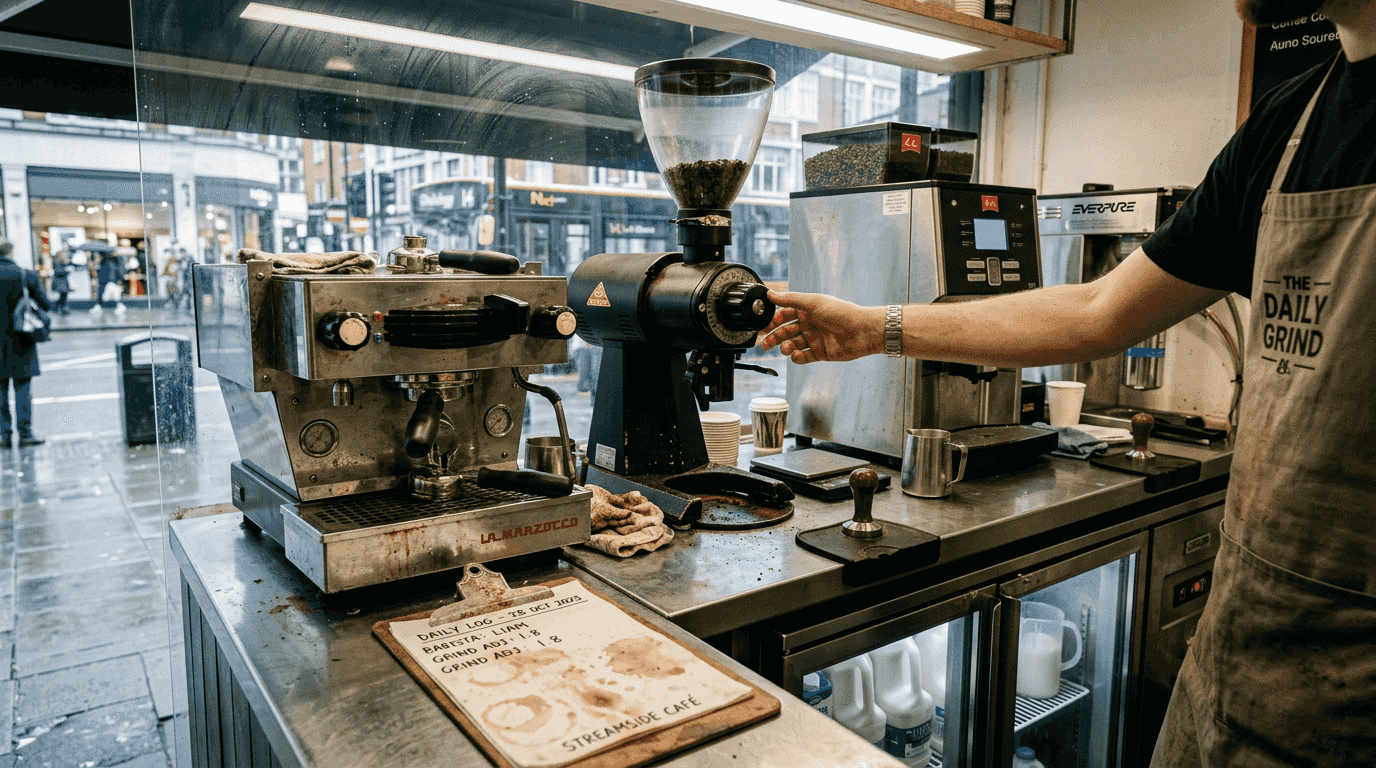
Traditional manual espresso machines provide expert baristas with complete control over every extraction variable. Premium brands like La Marzocco represent the top tier, offering exceptional temperature stability, dual boiler systems, and build quality that withstands years of commercial use. Mid range options from Rancilio deliver reliable performance at more accessible price points, whilst entry level machines like Crem provide basic functionality for smaller operations or those starting their coffee programme.
Bean to cup machines automate the entire brewing process from grinding through extraction, making them ideal for high volume environments where speed and consistency outweigh artisanal control. Bean to cup machines offer convenience and consistency but may compromise on espresso quality compared to skilled barista operated manual machines. Brands like Jura and Egro dominate this category, offering touchscreen interfaces, programmable recipes, and minimal staff training requirements.
High quality grinders represent a non negotiable investment regardless of which machine type you choose. Freshly ground beans make or break flavour, as pre ground coffee loses aromatic compounds within minutes of grinding. Commercial grinders with stepless adjustment and consistent particle distribution ensure optimal extraction and allow you to fine tune recipes for different bean origins and roast profiles.
Water filtration systems protect your equipment investment whilst preserving flavour integrity. Filtration removes minerals that cause scale buildup, chlorine that affects taste, and sediment that damages internal components. Systems range from simple carbon filters to sophisticated reverse osmosis units with remineralisation, depending on your local water quality and equipment requirements.
Refrigeration units for milk and perishables complete your coffee service setup. Under counter fridges keep milk at safe temperatures close to your brewing station, whilst dedicated milk coolers with multiple compartments allow you to offer various dairy and plant based alternatives. Proper refrigeration prevents spoilage, maintains food safety standards, and ensures consistent milk texture for steaming and latte art.
Exploring coffee machine rental options provides flexibility for businesses testing equipment types or managing cash flow, as rental agreements often include maintenance and allow upgrades as your needs evolve.
Comparing coffee equipment options for hospitality businesses
Understanding how different equipment types stack up against each other helps you match capabilities with your specific operational requirements and quality expectations.
Commercial espresso machines with dual boilers increase efficiency during peak hours by allowing simultaneous brewing and steaming, eliminating the wait time between drinks that single boiler machines impose. This capability becomes essential when serving multiple milk based beverages consecutively, as baristas can prepare espresso shots whilst steaming milk for the previous order.
| Equipment Type | Efficiency | Quality Potential | Skill Required | Maintenance |
|---|---|---|---|---|
| Manual Espresso (Premium) | Moderate | Excellent | High | Regular |
| Manual Espresso (Mid Range) | Moderate | Very Good | High | Regular |
| Bean to Cup | High | Good | Low | Frequent |
| Quality Grinder | Essential | Critical | Moderate | Periodic |
| Water Filtration | Passive | Protective | None | Annual |
Quality trade offs between bean to cup and manual machines reflect fundamental differences in brewing philosophy. Manual machines allow skilled baristas to adjust variables like grind size, dose, tamp pressure, and extraction time to optimise each shot, creating exceptional espresso when operated correctly. Bean to cup systems prioritise consistency and speed over customisation, producing reliably good coffee that meets most customer expectations without requiring specialised expertise.
Water quality affects espresso machine performance and coffee taste more than many operators realise. Mineral content influences extraction chemistry, whilst scale buildup restricts water flow and damages heating elements. Installing proper filtration from day one prevents these issues and protects your equipment investment, typically paying for itself through reduced repair costs and extended machine lifespan.
Professional maintenance contracts and barista training for staff add value beyond the equipment itself. Regular servicing catches minor issues before they become expensive failures, whilst trained staff produce better coffee, handle equipment correctly, and recognise warning signs of malfunction.
Pro Tip: Schedule equipment servicing during your slowest trading periods to minimise disruption, and maintain backup brewing methods for unexpected breakdowns during peak seasons.
“Investing in quality equipment and proper training creates a foundation for consistent excellence that customers notice and appreciate, building loyalty that justifies the initial expense.”
Making the right choice for your hospitality business
Selecting coffee equipment requires balancing multiple factors specific to your venue, customer base, and operational philosophy. Follow this systematic approach to identify the best fit:
-
Assess your service volume and peak demands by tracking cups served during your busiest hours over several weeks, then add 20% capacity buffer for growth and unexpected rushes.
-
Evaluate barista skill levels and training capabilities honestly, considering both current team expertise and your willingness to invest in professional development through structured programmes.
-
Consider space constraints and refrigeration by measuring available counter space, identifying water line locations, and calculating cold storage needs for your full beverage menu.
-
Factor in budget for initial investment and ongoing costs including maintenance contracts, water filtration replacement, cleaning supplies, and regular staff training sessions.
-
Plan for water filtration and regular equipment service by researching local water hardness, comparing filtration systems, and identifying qualified service technicians in your area.
Businesses with proactive maintenance and training see reduced downtime and increased customer satisfaction, as equipment performs reliably and staff handle both routine operations and minor troubleshooting confidently. This operational stability translates directly to consistent quality and positive customer experiences.
Your equipment choice should align with your broader business strategy and brand positioning. High end cafes targeting coffee enthusiasts may justify premium manual machines and extensive barista training, whilst hotel breakfast services prioritise speed and consistency through bean to cup automation. Neither approach is inherently superior, as success depends on matching equipment capabilities with customer expectations and operational realities.
Partnering with experienced suppliers who understand hospitality operations provides ongoing support beyond the initial equipment purchase. Access to wholesale coffee services overview and diverse coffee blends overview ensures your equipment showcases quality beans that highlight its capabilities, whilst local expertise helps you navigate technical challenges and optimise your coffee programme over time.
Get expert support and quality coffee supplies
Equipping your hospitality business with the right coffee machinery represents just one element of delivering exceptional beverages that keep customers returning. Partnering with experienced wholesale suppliers who understand regional hospitality demands provides ongoing support that extends far beyond equipment selection.
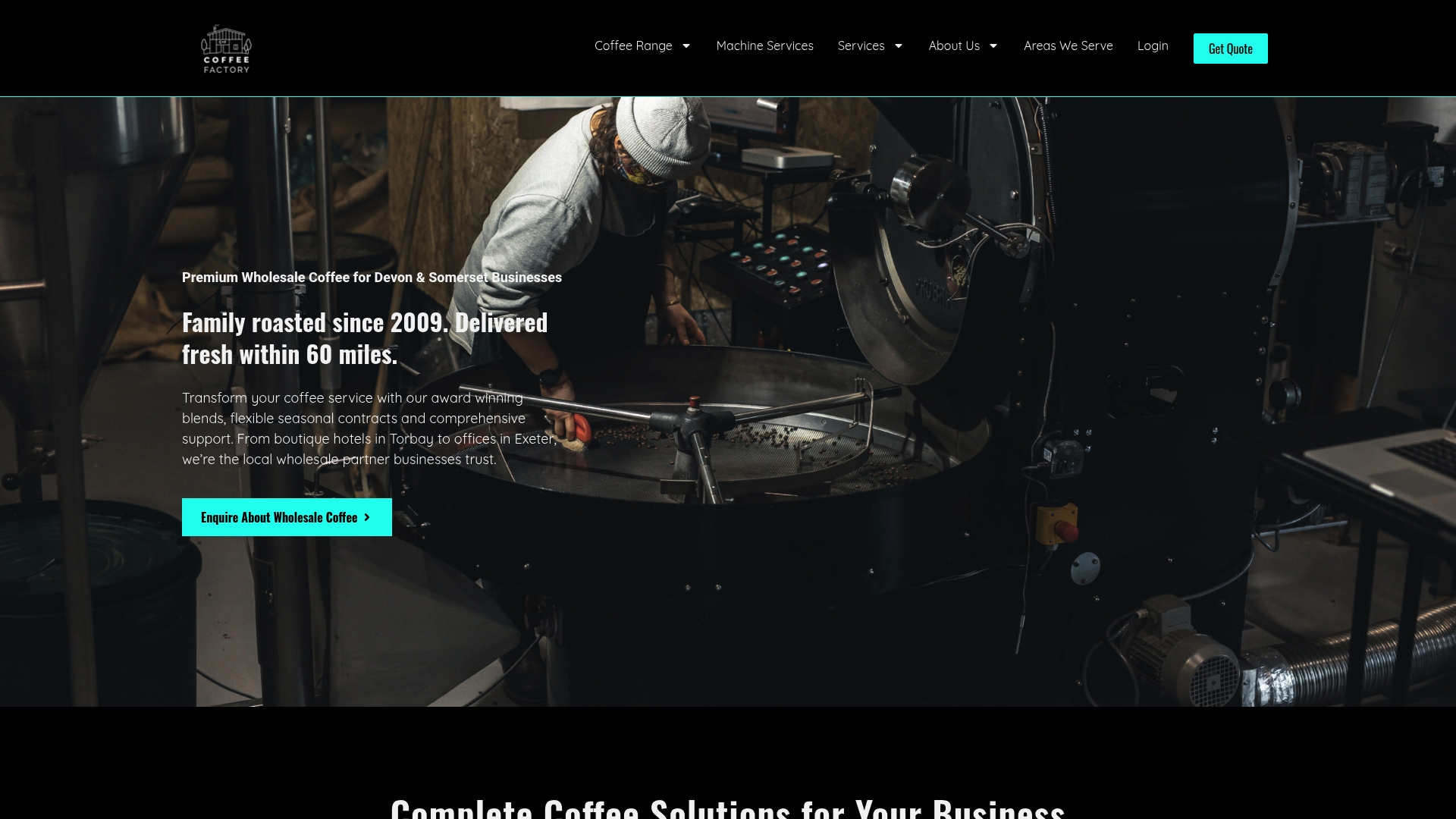
Professional wholesale coffee services overview connect you with freshly roasted beans tailored to your equipment type and customer preferences. Family run roasteries based in Devon bring decades of experience supporting cafes, hotels, and restaurants throughout Southwest UK, offering personalised service and flexible contracts that adapt as your business evolves.
Certified barista training for staff enhances team skills and confidence, ensuring your equipment investment translates to consistently excellent coffee. On site training programmes cover everything from basic espresso fundamentals through advanced latte art and equipment troubleshooting, empowering your team to maximise machine capabilities whilst maintaining proper care protocols.
Comprehensive coffee machine maintenance contracts reduce downtime and prolong equipment life through regular servicing, descaling, and component replacement before failures occur. Local service providers within a 60 mile radius offer rapid response times and genuine parts, minimising disruption during busy trading periods and protecting your investment over years of commercial use.
FAQ
What types of coffee machines best suit high volume cafes?
High volume cafes benefit most from dual boiler espresso machines or bean to cup systems depending on quality priorities. Dual boiler manual machines allow experienced baristas to brew and steam simultaneously, maintaining speed without sacrificing extraction control. Bean to cup systems maximise throughput with minimal staff training, producing consistent results when serving hundreds of cups daily.
How does water quality affect coffee equipment and taste?
Hard water causes mineral scale that damages heating elements, restricts water flow, and requires expensive repairs or premature equipment replacement. Poor water quality also affects flavour by introducing chlorine, sediment, and mineral imbalances that mask coffee characteristics. Installing proper filtration extends machine lifespan by years whilst ensuring clean, consistent taste in every cup.
Why is staff training important for coffee equipment performance?
Properly trained staff produce superior coffee by understanding extraction principles, grind adjustment, and milk steaming techniques that maximise equipment capabilities. Training also teaches correct cleaning procedures, daily maintenance tasks, and early problem recognition that prevents minor issues escalating into costly breakdowns. Skilled baristas handle equipment confidently, reducing user error damage and improving overall customer satisfaction through consistent quality.