
TL;DR:
- Fresh roasted coffee significantly boosts guest satisfaction and loyalty in hospitality venues.
- Coffee is best served 7 to 21 days post-roast for optimal flavor and aroma.
- Partnering with local roasters ensures quick, flexible supply and ongoing support.
Coffee is one of the most ordered items in any hospitality venue, yet it remains one of the most overlooked. Many cafe and hotel owners assume that any decent coffee will do, but the evidence tells a different story. 33% of guests express dissatisfaction with standard coffee, and the gap between an ordinary cup and a genuinely fresh roasted one is felt immediately. This guide walks you through the real science of coffee freshness, clears up common misconceptions, and shows you practical ways to use better coffee as a genuine driver of guest loyalty and repeat business.
Table of Contents
- Why coffee freshness matters for hospitality businesses
- The science of roasting: How freshness affects flavour and aroma
- How Southwest UK roasters ensure reliable fresh supply
- Beyond freshness: Additional benefits from quality coffee partnerships
- What most guides miss about the value of fresh roasted coffee
- Unlocking hospitality growth with Southwest UK’s coffee experts
- Frequently asked questions
Key Takeaways
| Point | Details |
|---|---|
| Freshness boosts loyalty | Serving fresh roasted coffee can increase guest satisfaction and return rates in hospitality venues. |
| Optimal flavour window | Coffee tastes best when served 7-21 days post-roast, balancing aroma and complexity. |
| Local supply advantages | Southwest UK roasters provide quick delivery and adapt contracts for seasonal hospitality demands. |
| Partnership is key | Working with quality roasters gives you more than beans—expect staff training, equipment support, and sustainable sourcing. |
Why coffee freshness matters for hospitality businesses
Guests notice coffee. Not always consciously, but the aroma that greets them, the clarity of flavour in the cup, and the overall impression it leaves all feed into how they feel about your venue. That feeling shapes whether they return.
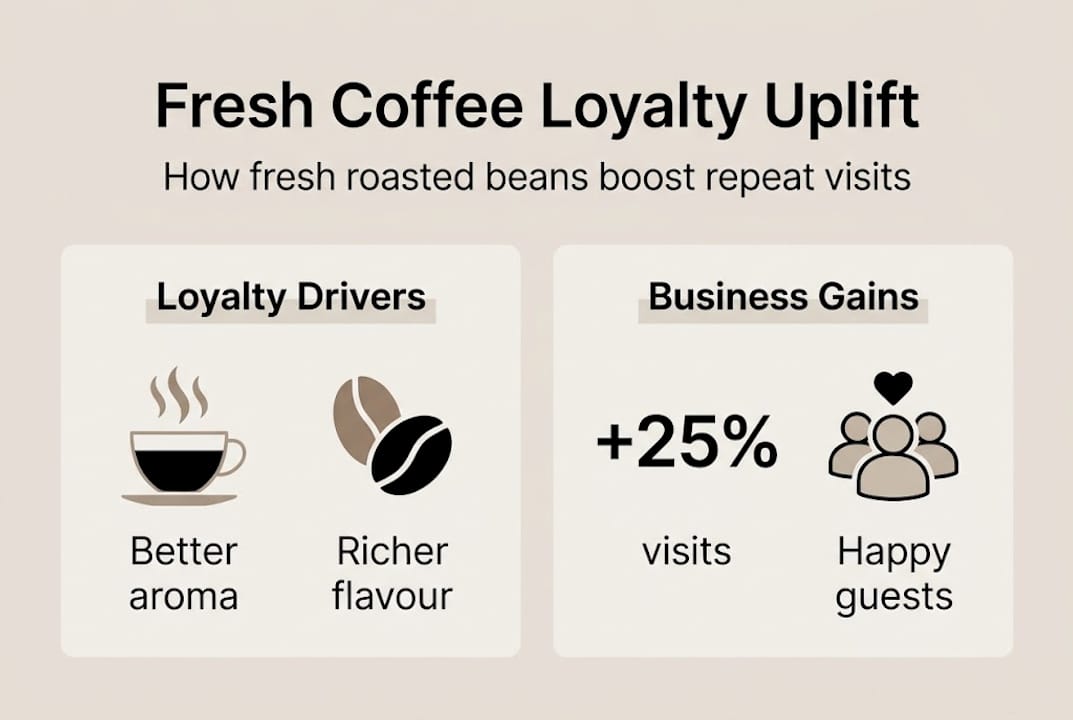
The premium coffee loyalty stats are striking: upgrading to fresh roasted coffee can boost guest loyalty by up to 25%. That is not a marginal gain. For a busy cafe or hotel restaurant, a quarter-more returning guests represents meaningful, compounding revenue growth.
“33% of guests express dissatisfaction with standard coffee, and upgrading to premium or fresh roasted can boost loyalty by 25%.”
So what does ‘fresh’ actually mean in practical terms? Coffee undergoes rapid chemical change after roasting. In the first few days, carbon dioxide escapes from the bean in a process called degassing. During this window, flavour compounds are volatile and the cup can taste sharp or uneven. Between roughly 7 and 21 days post-roast, most coffees reach their flavour peak. Beyond 30 days, aroma fades, complexity flattens, and the cup loses its character.
The coffee quality impact on guest perception is direct and measurable. Aroma is the first signal guests receive, and it sets expectations before a single sip. A stale or flat-smelling coffee signals low quality instantly. Fresh roasted coffee, served in its optimal window, delivers brightness, depth, and a finish that guests remember.
Here are three key reasons guests notice freshness:
- Aroma Fresh roasted coffee releases volatile aromatic compounds that create an inviting, distinctive scent. Stale coffee simply does not have this. Guests notice the difference within seconds of the cup arriving.
- Taste clarity Fresh coffee has a clean, layered flavour profile. Older coffee tastes flat, sometimes bitter, with little nuance. Guests may not use those words, but they know when a coffee tastes ‘off.’
- Overall experience Coffee is often the last thing a guest orders and the last flavour they carry with them. A memorable cup reinforces a positive overall impression of your venue.
It is worth noting that not every guest prefers the most ultra-fresh roast. Some profiles benefit from a short rest period. But the key point is that flavour perception research consistently shows that coffee quality is a significant driver of hospitality satisfaction. Getting it right is not a luxury; it is a competitive necessity.
The science of roasting: How freshness affects flavour and aroma
Having established why freshness matters for guests and your business, let’s examine how roasting date influences the actual coffee served.
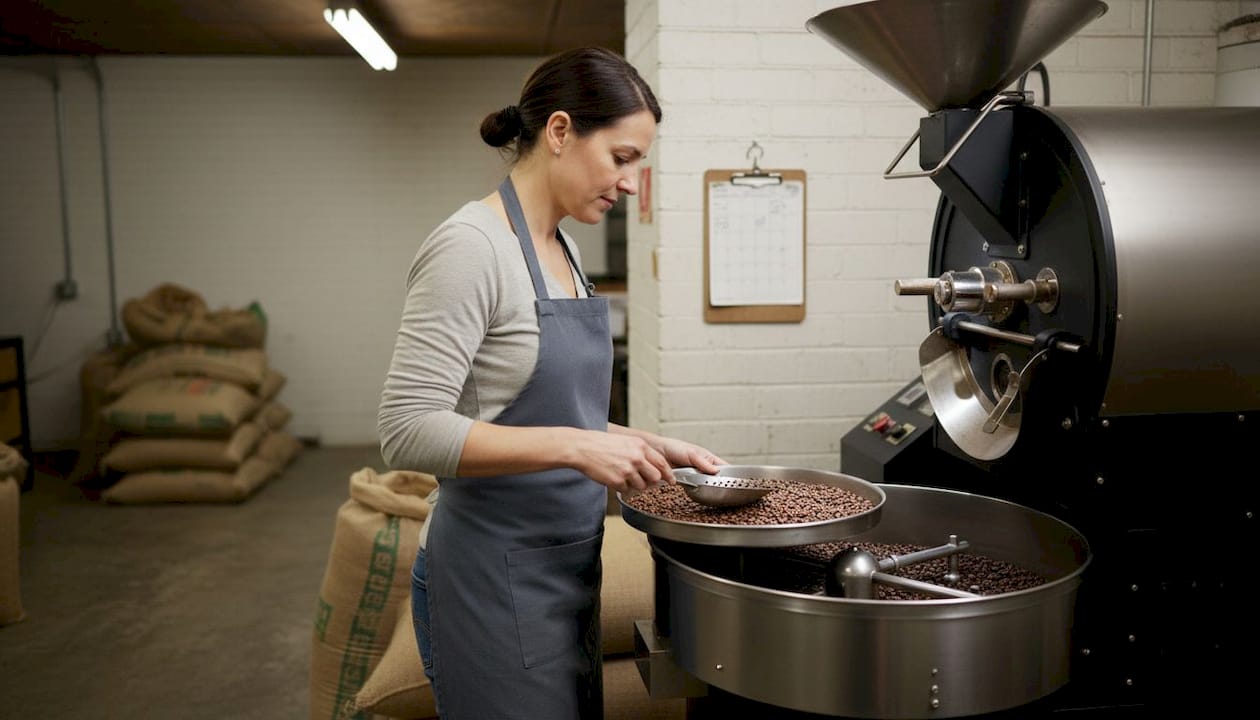
When coffee is roasted, heat transforms the green bean’s chemical structure, creating hundreds of flavour and aroma compounds. The moment roasting ends, a slow process of change begins. Carbon dioxide escapes, oils oxidise, and volatile aromatics gradually dissipate. The result is a cup that tastes noticeably different depending on how many days have passed since roasting.
A triangle test study found that 70% of participants could distinguish between coffee roasted one day ago and coffee roasted 145 days ago. That is a clear indicator that age matters. However, the same sensory science study found that preferences were nearly split: roughly 52% preferred the matured cup, 48% the fresh one. This challenges the marketing assumption that fresher always means better.
For hospitality venues, this nuance is important. The roasting process explained in detail shows that different roast profiles, origins, and brewing methods all influence the ideal rest period. A light-roasted single origin may need 10 days to open up fully, while a darker espresso blend might peak at 5 to 7 days.
| Post-roast window | Flavour character | Aroma intensity | Best suited for |
|---|---|---|---|
| 1 to 7 days | Sharp, bright, sometimes uneven | High but volatile | Filter, pour-over |
| 7 to 21 days | Balanced, complex, rounded | Full and stable | Espresso, all methods |
| 30 or more days | Flat, muted, less complexity | Low | Not recommended |
This table is a practical guide, not an absolute rule. Roast style, bean origin, and storage conditions all play a role. The key takeaway is that the 7 to 21 day window represents the sweet spot for most hospitality applications, delivering both flavour and consistency.
Pro Tip: Avoid using coffee fewer than 3 to 5 days post-roast for espresso-based drinks. The excess carbon dioxide can interfere with extraction, producing an uneven, gassy shot that frustrates even experienced baristas.
How Southwest UK roasters ensure reliable fresh supply
Now that you understand freshness from both a science and guest satisfaction perspective, consider how the supply chain ensures that you actually receive coffee at peak quality.
The most significant advantage of working with a local Southwest UK roaster is speed. Local SW UK roasters can deliver coffee 2 to 7 days post-roast, placing it firmly within the optimal freshness window before it even reaches your kitchen. That is simply not achievable with large national or international suppliers, where logistics alone can add weeks to the journey from roaster to venue.
Flexibility matters just as much as speed. Hospitality demand is seasonal and unpredictable. A coastal hotel in Devon will see very different volumes in August compared to January. A good local roaster builds contracts around this reality, scaling orders up or down without penalty, and aligning delivery schedules with your event calendar and expected guest flow.
| Supplier type | Delivery post-roast | Contract flexibility | Local support |
|---|---|---|---|
| Local SW UK roaster | 2 to 7 days | High, seasonal adaptable | Yes, on-site |
| National wholesaler | 10 to 21 days | Moderate, fixed volumes | Limited |
| Supermarket/cash and carry | Unknown, often 30 or more days | None | None |
The Devon supplier benefits go beyond logistics. Local roasters understand the regional market, know the seasonal patterns, and are invested in your success because your reputation reflects on theirs.
Here are three clear advantages of sourcing locally:
- Speed and freshness Shorter supply chains mean coffee arrives in its optimal window, every time.
- Adaptability Local roasters can respond quickly to changes in demand, whether that is a last-minute event or a quiet off-season period.
- Ongoing support From delivery queries to blend adjustments, a local partner is reachable and responsive in a way that large national suppliers rarely are.
Aligning your supply routine with your guest flow is also worth planning carefully. Check out seasonal coffee solutions to see how roasters can help you match coffee offerings to the time of year, keeping your menu relevant and your stock levels efficient.
Beyond freshness: Additional benefits from quality coffee partnerships
Having covered the practical aspects of supply, it is worth noting the full range of benefits offered by reputable fresh roasted coffee partners.
A quality wholesale coffee partner does far more than deliver beans. Suppliers offer training, ethical sourcing, and equipment services to hospitality clients, which means the value of the relationship extends well beyond the product itself.
Staff confidence behind the machine is one of the most underrated factors in coffee quality. A perfectly sourced, freshly roasted bean can still produce a poor cup if it is ground incorrectly, tamped unevenly, or extracted at the wrong temperature. Barista staff training courses from your supplier address this directly, giving your team the skills to deliver a consistent, high-quality cup every service.
Guests are also increasingly aware of ethical and environmental credentials. Coffee sourced through transparent, sustainable supply chains is something venues can communicate with pride, and it resonates with a growing segment of conscious consumers. Exploring sustainability sourcing options with your roaster can strengthen your brand positioning as well as your values.
Here are four partnership perks worth seeking from your coffee supplier:
- Ongoing staff training Regular barista sessions keep skills sharp and reduce inconsistency across shifts.
- Access to equipment Many roasters offer machine support, loan equipment, or help you source the right examples of equipment for your volume and menu.
- Menu design support Experienced roasters can help you build a coffee menu that suits your venue’s identity and your guests’ expectations.
- Improved sustainability profile Ethical sourcing credentials and eco-conscious packaging give you something genuine to communicate to guests.
Pro Tip: Partnering with an experienced roaster connects you with ongoing industry trends, from cold brew to single origin filter programmes, giving you a ready-made route to menu innovation without the research burden.
What most guides miss about the value of fresh roasted coffee
Most articles on this topic land on a simple conclusion: fresher is better, so buy the freshest coffee you can. We think that misses the point for hospitality venues.
The coffee maturity research tells a more interesting story. With preferences split at roughly 52% for matured versus 48% for fresh, the data does not support a blanket ‘freshest wins’ rule.
“52% of tasters preferred matured coffee over fresh in blind testing, suggesting that consistency and profile stability matter as much as roast date.”
What actually moves the needle for Southwest UK venues is the combination of three things: a reliable supply of coffee in the 7 to 21 day post-roast window, a strong relationship with a supplier who understands your business, and well-trained staff who can execute consistently. Chasing the absolute freshest roast without those foundations in place leads to variable results and frustrated guests.
We have seen venues invest in premium beans and then undermine them with poor storage, inconsistent grind settings, or undertrained staff. The coffee expertise for B2B success that a trusted roaster brings is what ties all of this together. Freshness is one ingredient in a larger recipe, and the best results come from getting all the elements right together.
Unlocking hospitality growth with Southwest UK’s coffee experts
If you are ready to turn these insights into tangible business growth, here is where to start.
At The Coffee Factory, we work with cafes, hotels, restaurants, and foodservice venues across Devon and the wider Southwest to deliver freshly roasted coffee, tailored blends, and the support to make every cup count. Our wholesale services overview covers everything from roast-to-order delivery to flexible contracts built around your seasonal demand.
Explore our full coffee blends overview to find the right profile for your venue, and find out how our staff training options can help your team deliver a consistently brilliant cup. Let’s get brewing together.
Frequently asked questions
How long does fresh roasted coffee stay optimal for hospitality service?
Most experts recommend serving coffee between 7 to 21 days post-roast for the best balance of flavour, aroma, and consistency across different brewing methods.
Is ultra-fresh coffee always better than matured coffee?
Not necessarily. Recent research found that 52% of tasters preferred matured coffee over fresh in blind testing, suggesting that profile stability matters as much as roast date.
How does fresh roasted coffee improve guest loyalty in cafes and hotels?
Premium, fresh roasted coffee can boost repeat visits by up to 25%, driven by guests’ improved satisfaction with aroma, flavour, and overall experience.
How can I guarantee a steady supply of fresh roasted coffee for my venue?
Choose a local Southwest UK roaster who offers roast-to-order and flexible delivery schedules, ensuring coffee arrives within 2 to 7 days post-roast to match your business demand.
Recommended
- Coffee roasting explained: boost hospitality success in 2026
- Master coffee expertise in B2B hospitality success
- How to improve coffee quality in hospitality venues
- How coffee quality drives hospitality business success
- Four Sigmatic Dark Roast Organic Whole Bean Coffee | Gourmet Nootropic Mushroom Coffee Beans with Lion’s Mane & Chaga Mushrooms for Enhanced Brain Function and Immune Support | 12oz – On Point Wholesale