
Standing out in the Southwest UK’s competitive café market demands more than quality beans and friendly service. Your coffee menu serves as a strategic tool that directly impacts revenue, customer satisfaction, and operational efficiency. This article provides a practical framework for selecting profitable beverages, introduces innovative drink ideas aligned with 2026 trends, and shows you how to balance creativity with customer familiarity. Whether you manage a bustling city centre café or a coastal tearoom, these insights will help you craft a menu that drives growth whilst reflecting your unique brand identity.
Table of Contents
- Key takeaways
- How to select coffee menu items that maximise profit and appeal
- Creative coffee drinks to appeal to Southwest UK customers
- Comparing classic favourites and innovative menu items
- Making final coffee menu decisions based on customer and operational factors
- Discover expert coffee solutions tailored for Southwest UK hospitality
- Frequently asked questions
Key Takeaways
| Point | Details |
|---|---|
| Menu engineering profits | Effective menu engineering can lift revenue by up to 15 per cent through strategic placement, pricing and removal of items. |
| Core item focus | Streamlining to eight to ten core items reduces decision time, speeds up service and simplifies inventory. |
| Four category framework | The Stars, Plowhorses, Puzzles and Dogs framework guides placement, pricing and promotion based on profit and popularity. |
| Weekly specials test | Run weekly specials to test potential permanent additions and assess sales and feedback over four to six weeks before promoting them to the core menu. |
| Data driven decisions | Quarterly reviews using POS data reveal patterns such as morning versus afternoon sales and weekend spikes. |
How to select coffee menu items that maximise profit and appeal
Effective menu selection starts with understanding which beverages actually drive your bottom line. Menu engineering categories help optimise placement, pricing, and removal for up to 15% revenue increase. This system categorises drinks into four groups: Stars (high profit, high popularity), Plowhorses (low profit, high popularity), Puzzles (high profit, low popularity), and Dogs (low profit, low popularity). Stars deserve prominent placement and visual appeal on your menu board. Plowhorses need careful pricing adjustments to improve margins. Puzzles require better promotion or repositioning, whilst Dogs should typically be removed unless they serve a strategic purpose.
Streamlining your offering to 8-10 core items delivers multiple benefits. Customers make faster decisions when they’re not overwhelmed by choice, reducing queue times during peak periods. Your baristas become more proficient at preparing a focused selection, improving consistency and speed. Inventory management simplifies, reducing waste from slow-moving ingredients. This doesn’t mean abandoning variety entirely, but rather curating your permanent menu thoughtfully whilst using specials to test new concepts.
Strategic promotion transforms menu performance. Position your highest-margin items in the visual “sweet spot” where customers’ eyes naturally land first, typically the upper-right quadrant of menu boards. Use descriptive language that highlights unique attributes: “Devon honey latte with locally sourced wildflower honey” sells better than “honey latte”. Consider pairing suggestions that increase average transaction values, such as recommending a specific pastry with your signature blend.
Pro Tip: Run weekly specials to test potential permanent additions without committing fully. Track sales data and customer feedback over four to six weeks before deciding whether to promote a special to your core menu. This approach minimises risk whilst keeping your offering fresh.
Quarterly reviews using your POS data reveal patterns you might miss day to day. Which drinks sell strongly in morning versus afternoon? Do certain items spike on weekends? Are seasonal variations affecting performance? These insights inform everything from staffing decisions to ingredient ordering. Partner with reliable wholesale services that understand your evolving needs and can adapt supply accordingly. Consider how coffee machine rental options might enable you to expand capabilities without major capital investment.
“The best menus aren’t created once and forgotten. They’re living documents that evolve based on customer behaviour, seasonal availability, and operational realities.”
Creative coffee drinks to appeal to Southwest UK customers
UK coffee trends 2026 include functional and Asian-inspired flavours, reflecting growing consumer interest in health benefits and global influences. Matcha lattes have moved beyond trend status to become expected offerings in progressive cafés. The earthy, slightly sweet profile appeals to customers seeking alternatives to traditional coffee, and the vibrant green colour creates Instagram-worthy moments that drive social media engagement. Preparation requires specific equipment and technique, so ensure your team receives proper training.

Functional beverages represent a significant opportunity. Mushroom coffee, blending ground coffee with adaptogenic mushrooms like lion’s mane or chaga, attracts health-conscious customers willing to pay premium prices. Collagen lattes appeal to beauty and wellness enthusiasts, particularly when positioned as a nutritious afternoon pick-me-up. Hot honey lattes, combining espresso with honey infused with chilli or black pepper, deliver an unexpected flavour profile that generates conversation and repeat visits. These items typically command £4.50-£5.50 price points, well above standard offerings.
Seasonal specials keep your menu dynamic and give customers reasons to return. Autumn brings opportunities for pumpkin spice variations, whilst winter welcomes gingerbread, cinnamon, and nutmeg profiles. Spring might feature floral notes like lavender or elderflower, and summer calls for cold brew innovations and fruit-forward iced options. Sourcing ingredients from Southwest suppliers strengthens your local credentials and often delivers superior freshness.
Pro Tip: Rotate limited-time offers monthly rather than quarterly. This faster cadence creates urgency and gives you more opportunities to test concepts. Announce new specials through email newsletters and social media to drive traffic during typically slower periods.
Hyper-local roasts differentiate your café whilst supporting regional economies. Partnering with Southwest roasteries for exclusive coffee blends creates unique selling propositions competitors can’t easily replicate. Customers increasingly value transparency about sourcing and production methods. Display information about your coffee’s origin, roasting date, and flavour notes. This educational approach builds trust and justifies premium pricing.
Plant-based milk options are no longer optional. Oat milk has become the default dairy alternative for many customers, with its creamy texture and neutral flavour working well in espresso-based drinks. Stock at least three alternatives: oat, soy, and almond as a baseline, with coconut available if space permits. Clearly label allergen information and train staff to handle dietary requirements confidently. This inclusivity expands your addressable market significantly. Demonstrate your commitment to broader values through visible environmental commitment initiatives.
Comparing classic favourites and innovative menu items
Balancing tradition with innovation requires understanding what each category delivers. Classic drinks form your operational backbone, providing reliable revenue from customers who value speed and familiarity. Innovative options attract new clientele and generate buzz, but require more explanation and typically slower preparation times.
| Aspect | Classic favourites | Innovative items |
|---|---|---|
| Examples | Espresso, cappuccino, flat white, Americano | Mushroom coffee, hot honey latte, matcha, collagen drinks |
| Preparation time | 2-3 minutes average | 4-5 minutes average |
| Price point | £2.50-£3.50 | £4.00-£5.50 |
| Customer familiarity | Very high | Low to moderate |
| Staff training needs | Minimal | Moderate to significant |
| Ingredient costs | Lower | Higher |
| Profit margins | 60-70% | 65-75% |
| Marketing value | Low | High |
The key insight is that you need both. Classics handle your morning rush when customers want their usual order prepared quickly. They provide the volume that keeps your operation running efficiently. Innovative items attract afternoon and weekend customers who have more time to explore and are often willing to spend more. They generate social media content and word-of-mouth marketing that brings new customers through your door.
Avoiding menu overload reduces service times and improves customer satisfaction. Research shows that excessive choice creates anxiety and slows decision-making. A focused menu of 8-10 items, split roughly 60% classic and 40% innovative, hits the sweet spot. This ratio maintains operational efficiency whilst providing enough variety to keep your offering interesting.
Limited-time offers serve as a testing ground for potential permanent additions. Introduce one new drink monthly as a special, promoted through signage and staff recommendations. Track sales carefully and gather informal feedback from customers. After 4-6 weeks, you’ll have enough data to decide whether to promote the item, modify it, or retire it. This approach lets you experiment without overwhelming your core menu or committing resources to drinks that won’t perform. Leverage seasonal specials to create anticipation and drive repeat visits.
Consider offering decaffeinated options across both classic and innovative categories. Roughly 15-20% of coffee drinkers prefer decaf, and they shouldn’t be limited to basic choices. A decaf version of your signature innovative drink demonstrates inclusivity and captures sales you’d otherwise lose.
Making final coffee menu decisions based on customer and operational factors
Your final menu must balance customer preferences with operational realities and financial targets. Start by understanding your cost structures thoroughly. Calculate food costs (beans, milk, syrups, toppings), labour costs (preparation time multiplied by hourly wages), and overhead allocation. A healthy gross profit margin for coffee drinks typically ranges from 65-75%, though innovative items at premium price points can achieve higher margins.
Implementation steps:
- Analyse six months of POS data to identify your current Stars, Plowhorses, Puzzles, and Dogs
- Calculate exact profit margins for each drink, including all ingredient and labour costs
- Survey regular customers about which innovative drinks interest them most
- Assess your equipment capabilities and identify any gaps that would prevent preparing desired items
- Create a draft menu with 8-10 items balanced between classic and innovative options
- Run a soft launch with staff and select customers to gather feedback before full rollout
- Train your entire team on preparation methods, selling points, and suggested pairings for each item
Pricing decisions require market awareness and confidence. Pricing hikes of around 20% can be viable if margins are low, particularly for innovative items where customers lack reference points. Research competitor pricing in your area, but don’t feel compelled to match it if your quality and service justify premiums. Customers will pay more for demonstrably better coffee, unique flavours, and superior atmosphere.
Weekly specials provide ongoing opportunities for refinement. Rotate through different concepts: origin-focused weeks highlighting specific growing regions, flavour profile weeks exploring complementary ingredients, or technique weeks showcasing different brewing methods. Each special generates data about customer preferences whilst keeping your offering dynamic. Use these experiments to identify candidates for permanent menu positions.
Staff training transforms your menu from theoretical to practical. Baristas must understand not just how to prepare each drink, but why it’s special and who it appeals to. Role-play upselling scenarios where team members practise recommending innovative items to different customer types. Explain the stories behind your drinks: where ingredients come from, what makes them special, how flavours develop. This knowledge builds confidence and enthusiasm that customers perceive and respond to.
Pro Tip: Empower your baristas to offer small taste samples of innovative drinks to hesitant customers. A 30ml taster costs pennies but frequently converts uncertain browsers into buyers. Track which drinks benefit most from sampling and train staff to identify ideal moments for offering tastes.
Invest in comprehensive barista training for staff that covers both technical skills and customer service. Well-trained baristas produce consistent quality, work more efficiently, and communicate value effectively. These factors directly impact customer satisfaction, repeat business, and ultimately profitability. Consider training as an ongoing investment rather than a one-time expense.
Discover expert coffee solutions tailored for Southwest UK hospitality
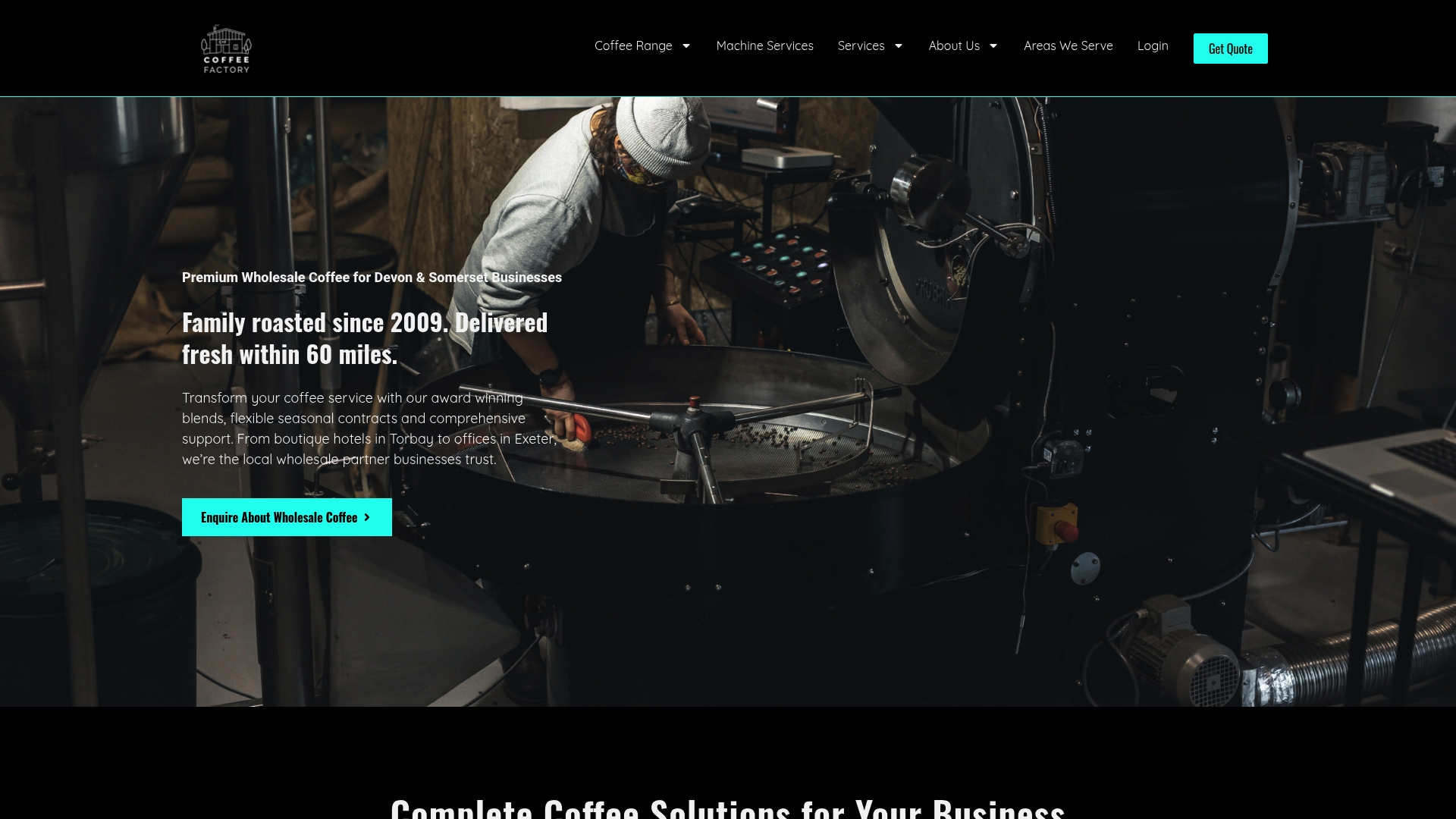
Implementing an optimised, innovative coffee menu requires reliable partners who understand regional hospitality needs. The Coffee Factory offers comprehensive support for Southwest UK cafés seeking to elevate their coffee programmes. Our extensive range of coffee blends includes both classic profiles and unique roasts perfect for innovative beverages, all freshly roasted in Devon and delivered within your local area.
Our SCA-certified barista training programmes equip your team with skills to prepare everything from perfect flat whites to complex signature drinks. We work on-site at your location, ensuring training addresses your specific equipment and menu. Beyond coffee supply, our wholesale services include equipment support, maintenance, and flexible contracts that adapt as your business grows. Whether you’re refining an established menu or launching a new concept, we provide the expertise and products to help your café thrive in a competitive market.
Frequently asked questions
What are the latest coffee menu trends in the Southwest UK?
Matcha lattes, functional beverages like mushroom coffee and collagen drinks, and seasonal specials featuring local ingredients lead current trends. Hot honey lattes combining espresso with spiced honey have gained significant traction. Plant-based milk options, particularly oat milk, are now standard expectations rather than novelties. Hyper-local roasts from Southwest roasteries appeal to customers valuing regional sourcing and transparency.
How can I balance classic and innovative coffee drinks on my menu?
Maintain a 60/40 split favouring classics to ensure operational efficiency during busy periods whilst providing enough innovation to attract new customers. Keep core items like cappuccinos, flat whites, and Americanos permanently available for speed and reliability. Use weekly or monthly specials to showcase innovations without overwhelming your menu or customers. Gather feedback through informal conversations and sales data to determine which innovations deserve permanent positions.
What is menu engineering and why is it important?
Menu engineering categorises items by profitability and popularity into Stars, Plowhorses, Puzzles, and Dogs. This framework guides strategic decisions about pricing, placement, promotion, and removal. Stars receive prominent positioning and visual emphasis. Plowhorses need price optimisation to improve margins. Puzzles require better marketing or repositioning. Dogs should typically be removed unless they serve specific strategic purposes. This systematic approach can increase revenue by 10-15% through optimised menu composition.
How often should I review and update my coffee menu?
Quarterly reviews using POS data provide optimal frequency for major menu decisions. Monitor sales trends, profit margins, and customer feedback continuously between formal reviews. Test new items through weekly or monthly specials rather than immediately adding them permanently. Small batches and limited-time offers reduce risk whilst generating valuable performance data. Seasonal adjustments should occur at least twice yearly to capitalise on ingredient availability and customer preferences that shift with weather and holidays.