
Selecting the right coffee equipment can transform your hospitality venue’s coffee service, yet the sheer variety of machines, grinders, and accessories available makes the decision daunting. For cafes, restaurants, and hotels across Southwest UK, choosing equipment that balances quality, capacity, and budget is essential to meet customer expectations and operational demands. This article guides you through practical evaluation criteria, presents key equipment examples with their strengths and limitations, and offers a clear comparison to help you make confident, informed choices that elevate your coffee offerings and support your business success.
Table of Contents
- Key takeaways
- How to evaluate coffee equipment for your venue
- Essential coffee machines and grinders used in hospitality
- Essential brewing tools and accessories to complement machines
- Comparing coffee equipment: a side-by-side overview
- Enhance your coffee service with expert support
- What is the best coffee equipment for small hotels?
Key Takeaways
| Point | Details |
|---|---|
| Capacity and durability | Assess throughput needs during peak periods and select machines rated for that demand to prevent bottlenecks in busy venues. |
| Build quality and reliability | Prioritise commercial grade stainless steel, robust heating elements, and proven warranties to minimise service interruptions. |
| Maintenance and downtime | Choose equipment with accessible components, clear cleaning routines, and readily available spare parts to keep operations smooth. |
| Programme compatibility | Ensure grinders and brewers match your brewing methods from espresso to pour over and provide accurate temperature control and suitable programmable settings. |
| Budget and value | Factor in installation, training, consumables, maintenance contracts, and potential leasing to balance upfront spend with long term value. |
How to evaluate coffee equipment for your venue
Assessing capacity and durability is vital for busy hospitality environments. Your equipment must handle peak demand without bottlenecks. Consider your average customer volume during rush periods and choose machines rated for that throughput. A small cafe serving 50 cups daily has different needs than a hotel restaurant preparing 200 beverages before noon.
Build quality determines longevity under commercial stress. Stainless steel construction, robust heating elements, and commercial-grade components withstand constant use far better than domestic alternatives. Examine warranty terms and manufacturer reputation to gauge reliability. Equipment failure during service disrupts operations and damages customer experience, so investing in proven commercial models pays dividends.
Maintenance requirements directly impact operational costs and downtime. Machines with accessible components, clear cleaning protocols, and readily available spare parts simplify upkeep. Daily cleaning routines should integrate smoothly into staff workflows. Ask suppliers about descaling frequency, filter replacement schedules, and professional servicing needs. Equipment demanding specialist technicians or rare parts creates dependency and potential delays.
Compatibility with your coffee programme matters enormously. If you serve specialty single-origin espresso, you need precise temperature control and programmable settings. For high-volume filter coffee, reliability and batch capacity trump fine-tuning options. Ensure grinders match your brewing methods, whether espresso, pour-over, or French press. Working with experienced suppliers who understand hospitality needs helps align equipment with your coffee vision.
Energy efficiency affects running costs and environmental footprint. Modern machines with energy-saving modes, efficient heating systems, and automatic shut-off features reduce electricity consumption. Calculate annual energy costs based on manufacturer specifications and your usage patterns. Water consumption also varies, particularly important in areas with metering or sustainability goals.
Budget considerations extend beyond purchase price. Factor in installation costs, staff training, consumables like filters and cleaning products, and ongoing maintenance contracts. Leasing or rental options spread costs and often include servicing, making premium equipment accessible without large capital outlay. Balance initial investment against long-term value, reliability, and customer satisfaction gains.
Pro Tip: Create a weighted scorecard for your top criteria (capacity, build quality, maintenance ease, cost) and rate each equipment option. This structured approach reveals the best overall fit rather than focusing on single factors.
Essential coffee machines and grinders used in hospitality
Espresso machines vary widely in type ranging from semi-automatic to super-automatic models. Semi-automatic machines give baristas control over grind, dose, tamp, and extraction time, allowing skilled staff to showcase craftsmanship and create signature drinks. They require training but offer flexibility and quality potential. Automatic machines handle some processes like water volume, reducing variability whilst maintaining barista involvement. Super-automatic machines grind, dose, tamp, extract, and froth milk at button press, ideal for high-volume venues with less specialised staff or where speed is paramount.
Each espresso machine type presents distinct advantages. Semi-automatic suits artisan cafes emphasising craft and customer interaction. Automatic machines balance consistency with barista input, fitting mid-sized operations. Super-automatic models excel in hotels, corporate settings, or busy restaurants where trained baristas aren’t always available. Consider your service style, staff expertise, and customer expectations when choosing.
Grinders split into burr and blade categories, with burr grinders overwhelmingly preferred in hospitality. Burr grinders crush beans between two abrasive surfaces, producing uniform particle size essential for consistent extraction. Blade grinders chop beans unevenly, creating inconsistent brews and bitter flavours. Commercial burr grinders feature stepped or stepless adjustment, allowing precise grind size changes for different brewing methods and coffee origins.
Grinder specifications matter significantly. Hopper capacity determines how often you refill during service. Grinding speed affects throughput during rush periods. Burr size and material (ceramic or steel) influence grind quality and longevity. Doser or doserless designs impact workflow, with dosers suiting traditional espresso service and doserless models offering freshness and portion control.
Maintenance needs differ substantially between equipment types. Espresso machines require daily cleaning of group heads, portafilters, and steam wands, plus regular backflushing and descaling. Grinders need burr cleaning to prevent oil buildup and periodic burr replacement as they wear. Super-automatic machines often feature automated cleaning cycles but require more complex servicing when issues arise. Understanding these demands helps you allocate staff time and budget appropriately.
Lease or rental options suit venues wanting premium equipment without large upfront costs. Rental agreements typically include maintenance, repairs, and sometimes upgrades, transferring operational risk to the supplier. This arrangement works well for seasonal businesses, startups testing concepts, or established venues upgrading equipment. Compare total rental costs against purchase and maintenance expenses over your expected equipment lifespan.
Essential brewing tools and accessories to complement machines
Proper accessories ensure consistent preparation and high-quality results. Tampers compress ground coffee evenly in portafilters, crucial for uniform water flow during extraction. Cheap plastic tampers create uneven compression and channeling, whilst quality stainless steel tampers with ergonomic handles enable consistent technique. Tamper diameter must match your portafilter basket precisely to avoid gaps around edges.
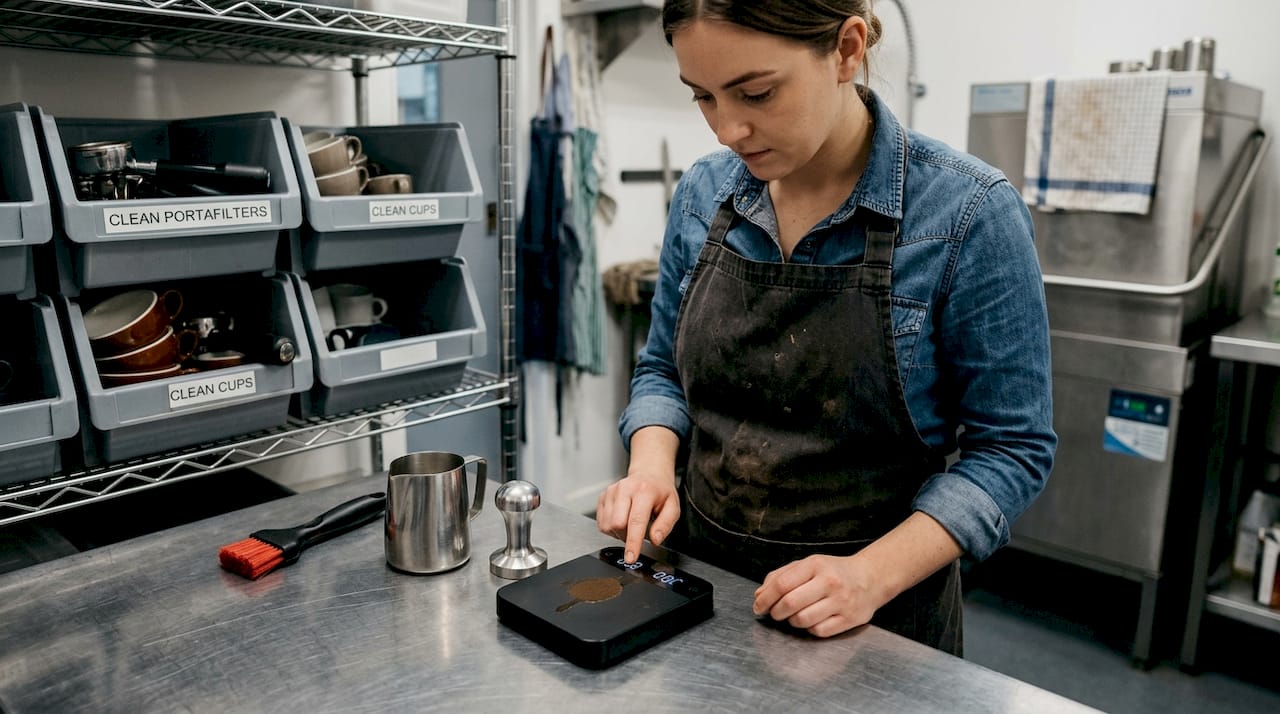
Precision scales transform coffee preparation from guesswork to science. Weighing doses ensures consistency across shifts and staff members. Espresso scales with built-in timers track extraction time whilst measuring output weight, helping baristas dial in perfect shots. For filter brewing, scales accurate to 0.1 grams enable precise coffee-to-water ratios, essential for replicating quality batches.
Milk frothing devices significantly impact beverage quality and customer satisfaction. Steam wands on espresso machines require technique to create microfoam texture for latte art and smooth mouthfeel. Automatic milk frothers offer consistency with less skill dependency, useful for venues with high staff turnover. Dedicated milk fridges maintain optimal temperature, as fresh cold milk froths best. Thermometers help staff achieve ideal serving temperature without scalding milk.
Water filtration protects expensive machines whilst enhancing flavour. Unfiltered water contains minerals causing scale buildup in boilers and pipes, reducing efficiency and requiring costly repairs. Chlorine and other chemicals negatively affect coffee taste. Quality filtration systems remove harmful minerals and chemicals whilst retaining enough mineral content for proper extraction. Softeners, carbon filters, and reverse osmosis systems each suit different water conditions and equipment needs.
Cleaning tools prolong equipment life and maintain hygiene standards critical in hospitality. Group head brushes, backflush detergents, descaling solutions, and microfibre cloths form your essential cleaning kit. Blind baskets enable backflushing to remove coffee oils from group heads. Grinder cleaning tablets or rice-based cleaners absorb oils without leaving residue. Establishing cleaning schedules and training all staff ensures consistent standards.
Staff training on tools and techniques maximises your equipment investment. Even the best machines produce poor results with improper use. Comprehensive barista training covering grinding, dosing, tamping, extraction, and milk work builds skills and confidence. Ongoing coaching addresses bad habits and introduces new techniques. Well-trained staff work more efficiently, waste less coffee, and create better customer experiences.
Pro Tip: Invest in duplicate accessories like portafilters, tampers, and milk jugs so staff aren’t waiting for cleaning during busy periods. This small investment dramatically improves workflow efficiency.
Comparing coffee equipment: a side-by-side overview
Comparison helps hospitality venues align equipment choice with needs and budgets. The table below summarises key options with features, typical price ranges, and suitability considerations.
| Equipment type | Key features | Price range | Best for | Pros | Cons |
|---|---|---|---|---|---|
| Semi-automatic espresso | Manual control, skilled operation | £2,000-£8,000 | Artisan cafes, specialty venues | Maximum quality potential, barista showcase | Requires training, slower service |
| Automatic espresso | Programmable settings, some automation | £3,000-£12,000 | Mid-sized cafes, restaurants | Balance of control and consistency | Moderate training needed |
| Super-automatic espresso | Full automation, button operation | £5,000-£20,000 | Hotels, high-volume venues | Speed, minimal training, consistency | Less craft appeal, complex repairs |
| Commercial burr grinder | Precise adjustment, high capacity | £400-£2,500 | All hospitality venues | Consistent particle size, essential quality | Requires cleaning, burr replacement |
| Batch filter brewer | Large volume, programmable | £300-£1,500 | Hotels, conference venues | High throughput, simple operation | Less craft perception |
| Pour-over station | Manual brewing, craft appeal | £100-£500 | Specialty cafes, brunch venues | Customer theatre, flavour clarity | Labour intensive, lower volume |
| Precision scale | 0.1g accuracy, timer | £40-£200 | Quality-focused venues | Consistency, recipe replication | Requires discipline |
| Water filtration system | Scale prevention, taste improvement | £200-£2,000 | All venues with hard water | Equipment protection, flavour | Installation and filter replacement |
Matching equipment to venue type streamlines decision making. Small independent cafes serving 50-100 customers daily often thrive with semi-automatic espresso machines paired with quality grinders and manual brewing options. This setup showcases barista skill and creates customer engagement. Mid-sized cafes and casual restaurants serving 100-200 customers benefit from automatic espresso machines offering consistency without sacrificing too much control. Hotels, conference centres, and high-volume restaurants serving 200+ customers daily need super-automatic machines or multiple brewing stations to maintain service speed.
Operational considerations beyond purchase price include:
- Staff skill levels and training investment required for different machine types
- Space constraints affecting equipment footprint and workflow design
- Electrical and plumbing requirements, particularly for plumbed-in machines
- Noise levels during operation in customer-facing areas
- Cleaning and maintenance time demands on daily operations
Cost brackets reflect quality tiers and feature sets. Entry-level commercial equipment provides basic reliability for budget-conscious venues. Mid-range options add durability, capacity, and features suiting most hospitality needs. Premium equipment offers maximum performance, longevity, and advanced capabilities for venues where coffee is a key differentiator. Consider total cost of ownership including energy, maintenance, and consumables when comparing price points.
Best picks vary by priorities. For casual venues prioritising simplicity, super-automatic machines with built-in grinders and automatic milk systems minimise complexity. For high-volume operations emphasising speed, multiple brewing stations with batch capabilities and super-automatic espresso maintain throughput. For quality-focused venues building reputation on coffee excellence, semi-automatic machines with premium grinders and comprehensive equipment options enable craft differentiation.
Enhance your coffee service with expert support
Elevating your coffee programme requires more than equipment alone. Partnering with experienced suppliers who understand hospitality demands ensures you receive tailored solutions matching your venue’s specific needs. The Coffee Factory specialises in supporting cafes, hotels, and restaurants across Devon and Southwest UK with comprehensive equipment options designed for commercial success.
Flexible rental and leasing programmes make premium equipment accessible without large capital outlay, whilst included maintenance contracts protect your investment and minimise downtime. Beyond hardware, professional barista training equips your team with skills to maximise equipment potential, ensuring consistent quality and efficient service. This comprehensive support approach helps hospitality venues create exceptional coffee experiences that build customer loyalty and drive business growth.
What is the best coffee equipment for small hotels?
Small hotels typically benefit from super-automatic espresso machines paired with quality grinders and batch filter brewers for breakfast service. This combination handles varied demand efficiently without requiring specialist barista skills across all shifts. Consider your peak occupancy periods and whether guests expect quick service or craft experiences when selecting equipment.
Flexibility matters for hotels with seasonal variation or evolving service models. Rental options allow you to scale equipment during peak seasons without permanent investment. Prioritise machines with simple cleaning routines that housekeeping or kitchen staff can manage alongside other duties.
How often should commercial coffee equipment be serviced?
Servicing frequency depends on usage intensity but generally ranges from every three to six months for commercial environments. High-volume venues using equipment constantly throughout service periods should schedule quarterly professional servicing to prevent breakdowns and maintain optimal performance. Lower-volume operations might extend to six-month intervals whilst maintaining daily cleaning protocols.
Preventative maintenance contracts reduce unexpected downtime and costly emergency repairs. Regular servicing identifies wear before failure occurs, replacing seals, gaskets, and components on schedule. Professional technicians also calibrate temperature and pressure settings, ensuring consistent extraction and prolonging equipment lifespan.
What are the benefits of leasing coffee machines?
Leasing dramatically reduces initial capital outlay, preserving working capital for other business priorities like staffing, marketing, or fit-out. Monthly payments spread costs predictably, simplifying budgeting and cash flow management. This approach particularly suits startups, seasonal businesses, or venues testing new coffee programmes before committing to permanent equipment purchases.
Maintenance inclusion in many lease agreements transfers operational risk to suppliers. When equipment requires repairs or servicing, the lessor handles costs and logistics, minimising disruption to your operations. Lease terms often include upgrade options, allowing you to adopt newer technology as your business evolves without selling used equipment.
Which grinders are recommended for high-volume cafes?
Commercial burr grinders provide consistent grind size essential for quality and speed in demanding environments. Look for models with large hopper capacity (at least 1kg) to reduce refilling frequency during rush periods. Grinding speed matters significantly, with high-volume grinders processing 6-8 grams per second compared to 3-4 grams for standard models.
Stepless adjustment offers precise grind size control, crucial when switching between espresso blends or adjusting for humidity changes affecting extraction. Flat burr designs typically suit espresso grinding with uniform particle distribution, whilst conical burrs handle various brewing methods effectively. Consider models with programmable dosing to standardise portions and reduce waste.
What accessories improve coffee consistency in hospitality settings?
Scales and quality tampers play crucial roles in preparation consistency. Weighing every dose eliminates guesswork and ensures each cup uses the correct coffee amount regardless of which staff member prepares it. Espresso scales with timers enable precise extraction monitoring, helping baristas replicate ideal shots consistently.
Water filtration systems enhance taste whilst protecting equipment from scale damage. Filtered water removes chlorine and other chemicals that interfere with coffee flavour, whilst controlling mineral content prevents buildup in boilers and pipes. Thermometers ensure milk reaches optimal temperature for texture and safety without scalding, particularly important for venues serving vulnerable customers.