
TL;DR:
- Coffee quality significantly influences guest satisfaction and overall venue reputation.
- Inconsistent coffee results from supply chain issues, poor storage, and staff training gaps.
- Partnering with local suppliers and investing in proper equipment and training ensures consistency and guest loyalty.
A staggering 72% of guests consider coffee quality crucial to their overall hospitality experience, yet many venue managers still treat it as an afterthought. That gap between guest expectation and operational priority is where reputations are quietly lost. For hotels, restaurants, and cafés across the Southwest UK, the quality of what’s in the cup shapes how guests feel about everything else. This article walks you through why coffee consistency matters so deeply, what causes it to slip, and how to lock in standards that keep guests coming back and reviews glowing.
Table of Contents
- How coffee quality influences guest satisfaction and reputation
- What causes inconsistent coffee quality in hospitality venues
- Solutions: How top venues maintain premium and consistent coffee
- Choosing the right coffee supplier in Southwest UK
- Why hospitality managers often underestimate coffee consistency
- Enhance guest experience with specialist coffee partners
- Frequently asked questions
Key Takeaways
| Point | Details |
|---|---|
| Guest experience boost | Consistent coffee quality significantly enhances guest satisfaction and drives repeat visits. |
| Supply chain matters | Direct relationships and fewer intermediaries lead to more reliable beverage standards. |
| Staff and equipment | Well-trained staff and quality machinery are key to reproducible, premium results every time. |
| Choose local partners | Regional suppliers with robust support ensure continuity and tailored solutions for hospitality venues. |
How coffee quality influences guest satisfaction and reputation
Guests notice far more than we sometimes give them credit for. A weak, bitter, or poorly extracted coffee at breakfast can colour the entire stay, regardless of how comfortable the room or how attentive the service. Beverage quality is one of those touchpoints that guests consciously remember and actively mention in reviews.
“Coffee is no longer a functional afterthought. For today’s guests, it signals how much a venue truly cares about the details.”
The numbers back this up. 33% of guests are dissatisfied with coffee in casual dining settings, and yet 77% associate branded coffee with higher overall venue standards. That association is powerful. It means that investing in a recognisable, quality coffee programme does not just improve the cup. It lifts the perceived quality of your entire operation.
Here is what inconsistent coffee quality typically costs a venue:
- Negative online reviews that reference poor beverages specifically
- Reduced repeat bookings from guests who felt let down by the experience
- Lower average spend as guests opt out of additional coffee rounds
- Weakened brand perception among new visitors reading those reviews
Luxury and premium venues feel this most acutely. When guests are paying for an elevated experience, a substandard coffee is jarring. It breaks the spell. Conversely, venues that invest in improving coffee quality consistently report stronger guest loyalty and better word-of-mouth referrals.
One often overlooked factor is freshness. Maintaining coffee freshness from roast to cup is not just about taste. It signals care and professionalism to guests who know their coffee. And increasingly, they do.
What causes inconsistent coffee quality in hospitality venues
Understanding why quality slips is the first step to fixing it. The causes are often more structural than they appear, and many lie outside the venue itself.
The coffee supply chain is surprisingly complex. From farm to cup, beans can travel through as many as 7 intermediaries over 4 to 8 weeks of transit. Each handover introduces risk: temperature fluctuations, humidity exposure, and handling inconsistencies. By the time beans arrive at your venue, quality variance may already be baked in.
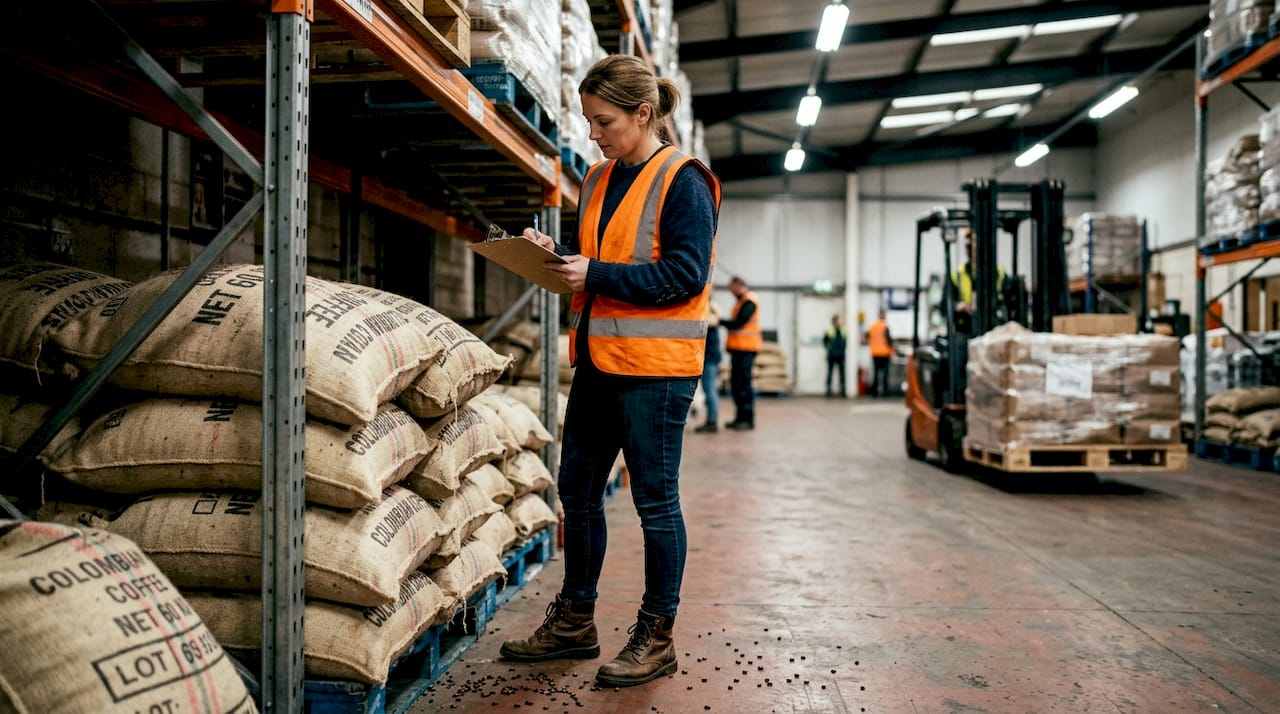
| Factor | Impact on quality |
|---|---|
| Transit duration (4 to 8 weeks) | Stale or oxidised beans on arrival |
| Multiple intermediaries (up to 7) | Loss of traceability and freshness control |
| Poor storage conditions | Humidity and temperature damage to green beans |
| Green bean defects | Off-flavours affecting extraction |
| Staff training gaps | Inconsistent grind, dose, and extraction |
SCA research on green grading confirms that defects in green beans and environmental factors like humidity and temperature directly affect the sensory quality of espresso shots. This is not just a roastery concern. It is a hospitality concern.
In-house variables compound the problem. The four most common culprits are:
- Inconsistent staff training leading to varied grind settings and extraction times
- Equipment not maintained to manufacturer standards, causing temperature drift
- Incorrect recipes being used across different shifts or team members
- Poor storage of roasted beans at the venue, exposing them to light, air, or heat
Pro Tip: Store your roasted beans in an airtight, opaque container away from heat sources. Even a well-sourced, freshly roasted coffee will degrade quickly if stored incorrectly at venue level. For foodservice coffee essentials, storage protocols are just as important as sourcing decisions.
Solutions: How top venues maintain premium and consistent coffee
The venues that consistently earn praise for their coffee share a few common habits. They treat coffee not as a commodity purchase but as a core part of the guest experience, and they build systems around it.
Partner with a specialist supplier. Direct trade and roaster relationships improve customer satisfaction by 10 to 15% compared to sourcing through generic distributors. When you work directly with a roastery that knows your volume, your equipment, and your team, you get coffee dialled in for your venue rather than a generic blend.
Invest in the right equipment. Automated bean-to-cup machines reduce labour demands by 25% while ensuring extraction consistency across every cup. This is particularly valuable during busy service periods when skilled barista attention may be stretched.
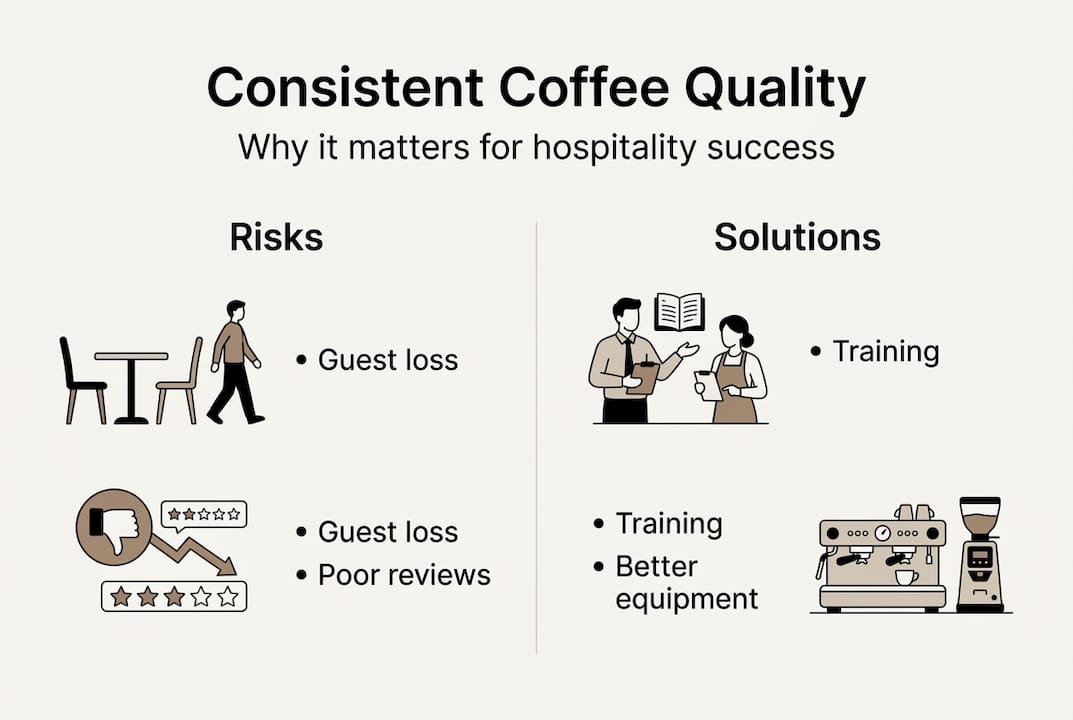
| Approach | Consistency | Labour requirement | Guest perception |
|---|---|---|---|
| Generic supplier, untrained staff | Low | High | Poor to average |
| Specialist supplier, basic training | Medium | Medium | Average to good |
| Direct roaster, trained staff, quality equipment | High | Low to medium | Excellent |
Here is what the best-performing venues typically have in place:
- A clearly documented recipe card for every coffee drink served
- Regular barista training for all front-of-house staff, not just dedicated baristas
- Scheduled equipment servicing built into operational calendars
- A supplier relationship that includes ongoing support, not just delivery
Pro Tip: Ask your supplier for a calibration visit after each new coffee delivery. Roast profiles vary slightly between batches, and a small grind adjustment can make a significant difference to extraction quality. Explore coffee equipment solutions that include ongoing technical support as part of the package.
Choosing the right coffee supplier in Southwest UK
Your supplier choice is arguably the single most important decision in your coffee programme. The right partner does not just deliver beans. They help you maintain standards, troubleshoot problems, and develop your team’s skills over time.
When evaluating suppliers, look for these qualities:
- Local knowledge: Suppliers based in the Southwest UK understand regional logistics, seasonal demand, and the specific needs of venues like yours
- Quality assurance: Look for roasteries with transparent sourcing, clear roast dates, and consistent batch quality
- Training and support: The best suppliers offer on-site training, not just product leaflets
- Equipment options: Whether you need a full espresso setup or a simple bean-to-cup solution, your supplier should be able to advise and support
- Ethical certifications: Fairtrade and Rainforest Alliance credentials add genuine value, both to the ethics of your sourcing and to your marketing story
Recent research on origin bias and traceability highlights how guests increasingly respond to provenance claims. Knowing where your coffee comes from, and being able to tell that story, adds real value to the guest experience.
“The right supplier is not just a vendor. They are a partner in your guest experience.”
SW UK suppliers such as The Coffee Factory, Fountain Rock, Cornish Coffee, and Bridge Coffee Roasters provide consistency, training, and equipment maintenance that national distributors simply cannot match at a local level. Regional proximity means faster response times, fresher deliveries, and a supplier who genuinely understands your business.
For practical guidance on narrowing your options, explore tips for choosing suppliers and consider how choosing commercial coffee beans that suit your equipment and service style can transform your programme.
Why hospitality managers often underestimate coffee consistency
We see it regularly. A manager invests thoughtfully in interiors, menus, and staff uniforms, then buys coffee from the nearest cash-and-carry. The logic is understandable. Coffee feels like a small line item. But the hidden costs of that decision accumulate fast.
A single poor review mentioning “terrible coffee” can deter a dozen prospective guests. Lost repeat bookings from guests who felt let down are invisible on a spreadsheet but very real in revenue terms. Treating coffee as a commodity rather than a craft is one of the most common and correctable mistakes we encounter in the hospitality sector.
The mindset shift is simple but powerful: coffee is not a cost to minimise. It is an investment in guest perception. Venues that embrace coffee expertise for managers as a genuine operational priority see returns in reviews, loyalty, and average spend. The short-term saving on cheaper beans rarely outweighs the long-term cost to reputation.
Enhance guest experience with specialist coffee partners
If this article has prompted you to look more critically at your current coffee programme, you are already ahead of most. The next step is finding a partner who can help you raise and maintain those standards without adding complexity to your operation.
At The Coffee Factory, we work with hotels, restaurants, and cafés across Devon and the wider Southwest to deliver freshly roasted, consistently excellent coffee, backed by real support. From coffee solutions for SW UK venues to hands-on staff training courses and flexible wholesale coffee services, we are built around making your coffee programme work brilliantly, every single day. Let’s get brewing.
Frequently asked questions
How does coffee quality affect online reviews for hospitality venues?
Inconsistency erodes brand reputation through poor reviews, while consistently excellent coffee generates positive guest recommendations and stronger ratings across booking and review platforms.
What practical steps can we take to ensure consistent coffee in our venue?
Invest in staff training, reliable equipment, and partner with reputable suppliers who offer direct trade support and ongoing quality assurance rather than simple delivery-only contracts.
Why do many suppliers struggle to maintain coffee quality?
Seven intermediaries and unpredictable storage conditions across long transit periods introduce quality variance that local, direct-trade suppliers are far better positioned to avoid.
How do ethical certifications like Fairtrade impact coffee quality?
Ethical certifications improve traceability and support sustainable sourcing, which enhances both the quality story you can tell guests and the long-term reliability of your supply chain.