
Most hospitality operators assume that investing in a high-end machine is the secret to great coffee. It is not. The real differentiator is a combination of freshly roasted local beans, flexible supplier support, and ethical sourcing working together. Direct trade sourcing delivers a 10 to 15% boost in customer satisfaction for hospitality venues. For cafes, hotels, and restaurants across the southwest UK, getting this combination right shapes guest loyalty, online reviews, and repeat bookings far more than any single piece of equipment ever could. This guide walks you through everything you need to know to make the right choices for your venue.
Table of Contents
- Understanding hospitality coffee solutions in the southwest UK
- Key hospitality coffee suppliers in the southwest UK
- Mechanics of a true hospitality coffee solution: What to expect
- Comparing equipment and operational models: Bean-to-cup vs traditional espresso
- Beyond coffee: Ethical sourcing, brands, and what guests value
- Navigating pitfalls: Flexible contracts, compliance, and post-Brexit realities
- Get started with reliable coffee solutions for your venue
- Frequently asked questions
Key Takeaways
| Point | Details |
|---|---|
| Local partners matter | Choosing a southwest-based wholesale coffee supplier ensures rapid support and solutions tailored to the region’s unique needs. |
| Integrated solutions | Full-service packages including fresh beans, equipment, training and maintenance reduce downtime and drive guest satisfaction. |
| Flexibility for success | Flexible contracts and seasonal options protect your business from waste and cost spikes. |
| Ethics drive loyalty | Ethical sourcing and sustainability are top priorities for modern guests, especially Gen Z. |
| Avoid common pitfalls | Stay clear of inflexible reseller contracts and outdated equipment to maintain consistent service and cost control. |
Understanding hospitality coffee solutions in the southwest UK
A hospitality coffee solution is not simply a bag of beans and a machine. It is an integrated package that covers every touchpoint between your kitchen and your guest’s cup. Understanding what that package should include is the first step toward making a genuinely informed decision.
“For SW UK hospitality, prioritise local roasters like The Coffee Factory for rapid response, emergency supply, and seasonal flexibility.” — trade.thecoffeefactory.co.uk
Local suppliers with regional roots offer faster, more reliable delivery and support than UK-wide chains ever can. That responsiveness matters enormously when your head barista calls in sick on a busy Saturday morning or your machine needs urgent attention mid-service.
When you choose local Devon suppliers, you gain access to roasters who understand the seasonal rhythms of southwest tourism. A supplier based in Devon knows that your summer volume may be three times your January volume, and they can plan around that reality.
Here is what a true hospitality coffee solution should include:
- Freshly roasted beans: Sourced ethically and roasted to order, not sitting in a warehouse for weeks. Freshness directly affects flavour and guest perception.
- Equipment provision: Whether purchased, leased, or provided under a service agreement, the right machine for your venue size and style matters.
- On-site barista training: Staff confidence and consistency are non-negotiable. Training reduces errors, waste, and machine damage.
- Scheduled delivery: Reliable, regular supply that flexes with your seasonal demand rather than forcing you to over-order.
- Service and maintenance agreements: Planned servicing and rapid callout cover to minimise downtime.
- Contract flexibility: The ability to adjust volume, blend, or terms without punishing penalties.
You can explore more about what this looks like in practice through our foodservice coffee guide for southwest operators.
Key hospitality coffee suppliers in the southwest UK
Not all suppliers serving the southwest are equal. Some are national resellers with a regional postcode. Others are genuinely rooted in the area, with the infrastructure and relationships to back it up. Here is a snapshot of the main players worth considering.
| Supplier | Coverage area | Key offering | Flexibility | Training support |
|---|---|---|---|---|
| The Coffee Factory | Devon and 60-mile radius | Freshly roasted, family-run, ethical sourcing | High, seasonal contracts | On-site barista training |
| Caffia | UK-wide with SW presence | Wide range, national logistics | Moderate | Limited on-site |
| Miko Coffee | UK-wide | Equipment-led, large accounts | Low to moderate | Basic |
| Bristol Coffee Company | Bristol and surrounds | Specialty focus, urban venues | Moderate | Available |
| South West Coffee Co | Regional SW | Artisan blends, smaller accounts | High | Available |
The local supplier benefits become especially clear when you look at contract flexibility. Southwest hospitality is heavily influenced by tourism cycles, and a supplier who cannot adjust to that reality will cost you money. National chains often lock you into fixed monthly volumes regardless of footfall.
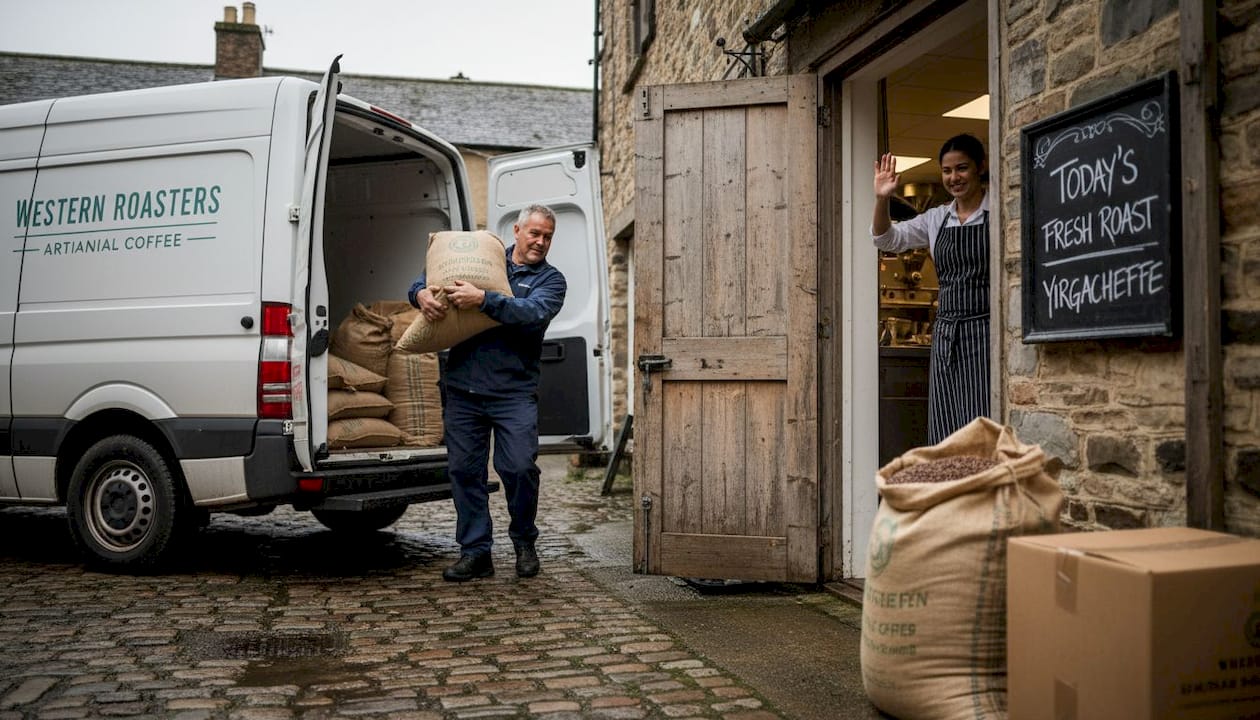
Reliable delivery and freshness are also where local roasters outperform. When beans are roasted and dispatched within days rather than weeks, the difference in your cup is noticeable. Guests notice it too.
Mechanics of a true hospitality coffee solution: What to expect
Knowing the supplier landscape is one thing. Understanding what a proper solution actually delivers operationally is another. Here is a step-by-step overview of how a well-structured coffee solution works from source to service.
- Green bean sourcing: Your supplier selects ethically traded green beans from origin, often with direct trade or Rainforest Alliance certification.
- Roasting to order: Beans are roasted in small batches on professional equipment such as Probat roasters, then rested briefly before dispatch.
- Equipment matching: Your supplier assesses your venue, volume, and team skill level to recommend the right machine type and configuration.
- Staff training: On-site barista training is delivered before launch and refreshed as your team changes.
- Scheduled delivery: Regular drops are planned around your usage patterns, with flexibility to increase or reduce as needed.
- Service level agreements (SLAs): These define response times for breakdowns, planned maintenance intervals, and what is and is not covered.
- Contract review: Good suppliers build in regular reviews so your solution evolves with your business.
Complete solutions combine freshly roasted beans, equipment, on-site barista training, and responsive maintenance into one coherent package.
Here is a realistic guide to cost ranges for service plans in 2026:
| Service type | Typical annual cost |
|---|---|
| Bean-to-cup full service plan | £1,100 to £3,000 per year |
| Espresso machine repair callout | £130 to £185 per callout |
| Planned maintenance visit | £80 to £150 per visit |
| Barista training session | £150 to £300 per session |
Pro Tip: Ask any prospective supplier about seasonal contract models before you sign. A supplier who cannot flex your monthly volume up or down by at least 30% without penalty is not built for southwest hospitality realities. Explore your machine options before committing to a service plan.
Comparing equipment and operational models: Bean-to-cup vs traditional espresso
Equipment choice shapes your daily operations more than almost any other decision. The two dominant models each carry distinct trade-offs, and the right choice depends on your team, your volume, and your guest expectations.
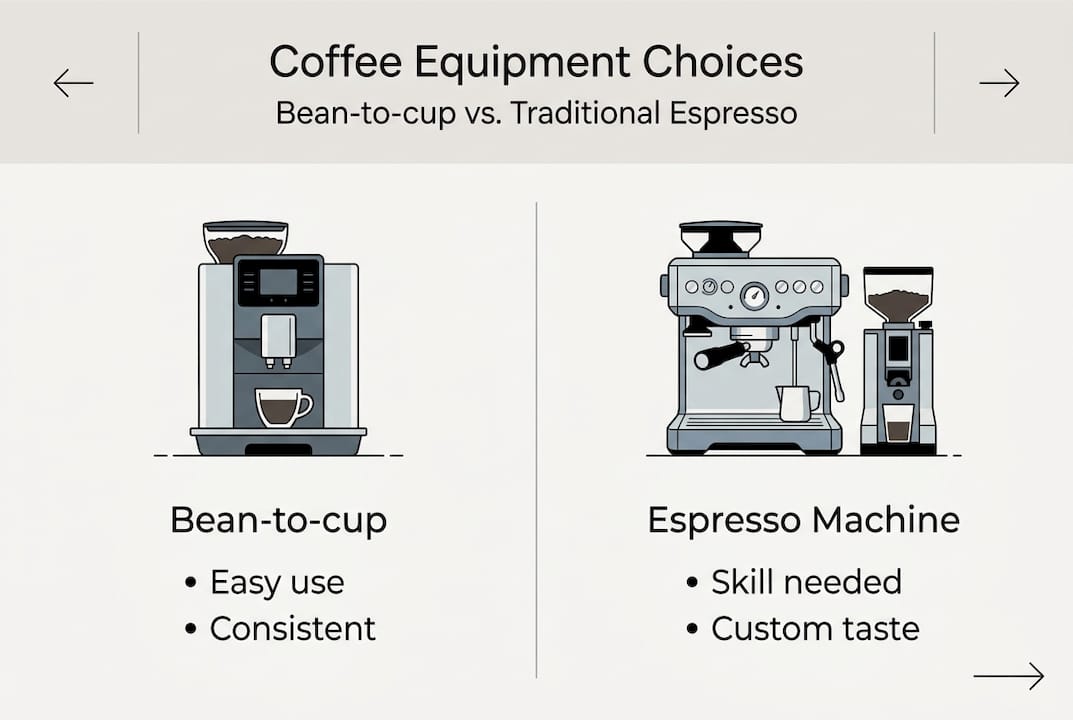
| Factor | Bean-to-cup | Traditional espresso |
|---|---|---|
| Automation level | High, minimal skill needed | Low, high barista skill required |
| Staffing cost | Lower, less training needed | Higher, skilled staff essential |
| Upfront cost | Higher | Moderate to high |
| Consistency | Very high | Variable, skill-dependent |
| Maintenance | Simpler, automated cleaning | More complex, regular calibration |
| Guest perception | Efficient, reliable | Craft, premium feel |
| Best suited to | Hotels, offices, high-volume venues | Specialty cafes, restaurants |
Bean-to-cup machines cost more upfront but deliver greater consistency and simpler maintenance, whereas traditional espresso offers a craft experience at higher staff and servicing cost.
For many southwest hotels and busy restaurants, bean-to-cup is the pragmatic choice. For independent cafes where the barista is part of the brand story, traditional espresso often wins on guest experience. You can compare your coffee equipment options in detail before making a commitment.
Pro Tip: Before choosing your equipment path, review your predicted staff turnover for the next 12 months. High turnover makes bean-to-cup far more cost-effective, since retraining on traditional espresso is expensive and time-consuming.
Beyond coffee: Ethical sourcing, brands, and what guests value
Equipment is just one piece of the picture. What genuinely shapes guest loyalty is often less tangible, rooted in values and story rather than mechanics.
Research shows that 61% of UK hotel guests recommend hotels with recognised coffee brands, rising to 75% among Gen Z visitors. And 75 to 79% of guests value sustainability when choosing where to stay or eat. These are not marginal preferences. They are mainstream expectations.
The three things guests value most when it comes to coffee in hospitality settings are:
- Ethical sourcing: Guests want to know the coffee they are drinking has been traded fairly and sourced responsibly. Visible certifications and origin stories build trust.
- Brand recognition: A known or respected coffee brand on your menu signals quality and care. It reassures guests before they even take a sip.
- Sustainability: Compostable cups, reduced waste, and a supplier with genuine environmental commitments all contribute to a positive guest impression.
You can reinforce these values through simple actions: table cards explaining your coffee’s origin, staff trained to talk about sourcing, and visible signage about your supplier’s credentials. Our environmental commitment page outlines how we approach this as a roastery. For inspiration on how to build this into your offer, explore coffee menu innovation ideas tailored to southwest venues.
Navigating pitfalls: Flexible contracts, compliance, and post-Brexit realities
Even with the right supplier and equipment in place, there are practical risks that catch many southwest operators off guard. Knowing them in advance saves real money and operational stress.
The most common pitfalls we see include:
- Reseller contracts: Signing with a reseller rather than a direct roaster often means higher prices, slower response times, and less flexibility. Reseller contracts can lock out choice and raise costs, making direct-roaster partnerships far more valuable.
- Out-of-region suppliers: A supplier based 200 miles away cannot respond to an emergency callout the same day. Distance matters.
- Poor machine maintenance: Over-capacity, poor cleaning, and user error are the leading causes of machine downtime, and most SLAs exclude these unless proper training is in place.
- Capacity mismatches: Choosing a machine rated for 50 cups per day when you serve 200 leads to constant breakdowns and poor coffee quality.
Brexit has added a further layer of complexity. Import delays and tariff changes have pushed green bean costs upward and made supply chains less predictable. Local and direct-roaster partnerships offer a meaningful buffer against this volatility.
For clarity on what your contract should and should not include, our coffee contract clarity guide is a practical starting point. And if you want to build genuine expertise within your team, our hospitality coffee mastery resource covers the operational depth you need.
Pro Tip: Never sign a contract that penalises you for adjusting seasonal volume or ties you to a single bean origin without any recourse. Flexibility is not a luxury in southwest hospitality. It is a necessity.
Get started with reliable coffee solutions for your venue
You now have a clear picture of what a genuine hospitality coffee solution looks like, how to evaluate suppliers, and what pitfalls to avoid. The next step is straightforward: find a partner who can deliver all of it, locally, reliably, and with the flexibility your business actually needs.
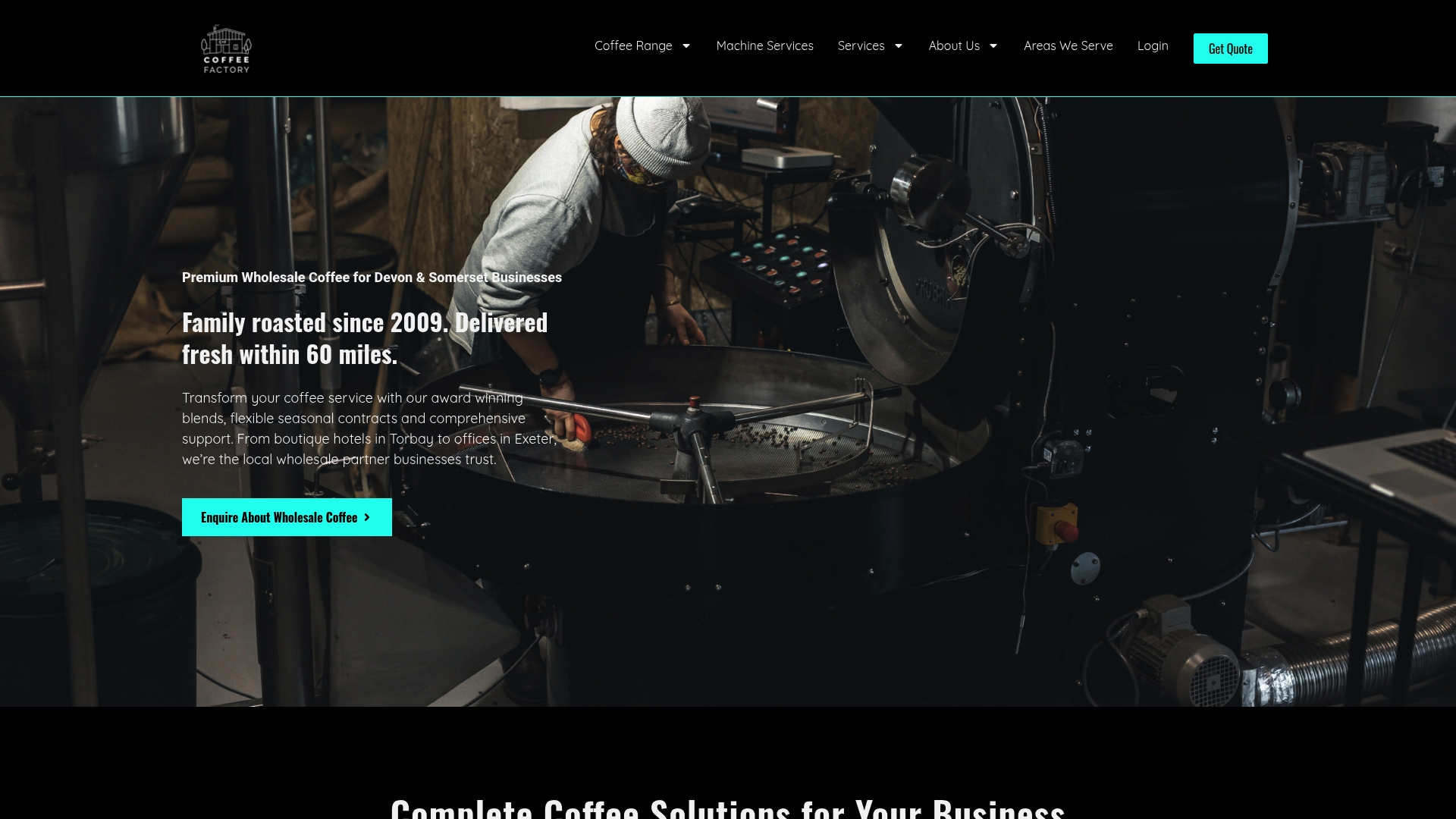
At The Coffee Factory, we have been roasting with soul and supporting southwest hospitality businesses for years. Whether you are looking to explore our coffee blends overview, invest in barista training for your staff, or understand the full scope of our wholesale services overview, we are ready to build something that works for your venue. Let’s get brewing together.
Frequently asked questions
What should I look for in a hospitality coffee supplier in the southwest UK?
Prioritise local roasters with rapid delivery, flexible contracts, equipment support, and a clear commitment to ethical sourcing. These factors consistently deliver the best guest satisfaction outcomes.
How do flexible contracts help seasonal businesses?
They allow you to adjust order volumes during tourism peaks and quieter winter months, reducing waste and cost without incurring penalties. Flexible contracts are critical for any southwest business tied to seasonal footfall.
Does ethical sourcing really matter to hotel and café guests?
Absolutely. Up to 79% of guests value sustainability and show greater loyalty to venues with visible ethical practices in place.
What are the main causes of coffee machine downtime?
Over-capacity use, limescale build-up, poor daily cleaning routines, and user error are the most frequent culprits. Preventive training and planned maintenance reduce these issues significantly.
How has Brexit affected coffee supply costs?
Brexit-related import changes have increased green bean costs and introduced supply delays, making local and direct-roaster partnerships more valuable than ever for price stability and reliability.